
Community Fundraising: Lessons Learned from Our Women-Led Mosque
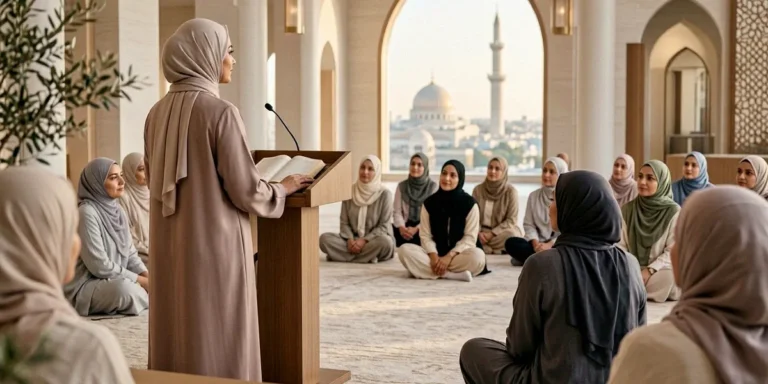
The moment it clicked for us was a Tuesday evening in a cramped Bradford community hall, when a well-meaning donor asked who the “brother in charge” was. There wasn’t one. We were five Muslim women, a folding table of samosas, and a spreadsheet that refused to balance. That night we realised that fundraising for a women-led mosque meant rewriting the rulebook on who asks, who gives, and who decides.
Why Fundraising Looks Different for a Women-Led Mosque

Fundraising is never just fundraising. For a women-led mosque, every collection tin and crowdfunding page carries an extra question: do people trust Muslim women to handle money and lead institutions? We quickly learned that the answer depends less on our intentions and more on how visibly we run things.
The credibility question we kept facing
Early on, some donors assumed our project was a temporary “women’s side project” rather than a serious mosque with governance, accounts, and long-term plans. Others asked whether we had permission from a male scholar or a neighbouring mosque committee. We stopped treating these questions as insults and started treating them as gaps in information. We began every pitch with our constitution, our trustee structure, and our registration details. The UK Charity Commission guidance on public fundraising became our starting framework — not because we were forced to, but because it gave us a credible, neutral standard to point to when people questioned our legitimacy.
Turning transparency into our strongest asset
We published our accounts online before anyone asked. We named our trustees. We explained exactly what each campaign would fund. Within months, the tone of donor conversations shifted. Transparency didn’t just satisfy sceptics — it became the reason people gave. One donor in Bradford told us she chose our mosque over a larger appeal because she could see where every pound went.
What Worked: Campaigns That Actually Brought People In
Not everything landed, but three efforts consistently brought in both money and new supporters.
Ramadan crowdfunding: small gifts, big totals
Our Ramadan campaign on LaunchGood was our breakthrough. We set a modest target, broke it into visible milestones, and posted daily updates with photos and short videos. The platform’s built-in LaunchGood infrastructure handled donations cleanly, and small gifts of £5 and £10 added up faster than we expected. The lesson: Muslim women donors, especially younger ones, give generously online when they can see a project that reflects them.
In-person events and the power of a shared meal
Our community iftar at a Bradford community centre raised less per head than the online campaign, but it converted strangers into volunteers. Sharing food broke down the awkwardness around a women-led mosque. People asked questions, met our team, and left with a sense of ownership. We now treat every iftar as a recruitment event as much as a fundraiser.
Corporate and local business partnerships
We approached Bradford businesses directly — halal restaurants, a printing shop, a local pharmacy. Most said yes to small sponsorships: covering printing costs, donating food, or matching staff donations. None of these were huge sums, but they gave us local legitimacy and free word-of-mouth. A sponsored walk along the Leeds and Liverpool Canal towpath, organised with two of these partners, became our most shared social media moment of the year.
What We Got Wrong (And What It Cost Us)
Honesty matters more than polish here, because other women-led mosque teams will make the same mistakes if we pretend we didn’t.
Gift Aid paperwork we left too late
We collected eligible donations for months before properly registering and claiming Gift Aid with HMRC. That delay cost us thousands of pounds we could have reclaimed. The fix is simple: register early, train whoever handles donations, and keep a clean record of declarations from day one.
Chasing grants before we had the data
We rushed an application to the National Lottery Community Fund without solid attendance figures, outcome data, or a clear budget narrative. We lost. The rejection stung, but it taught us that grant funders want evidence, not passion alone. We now track numbers monthly so future applications rest on real records.
Burning out our volunteer fundraisers
We asked three women to run everything — outreach, admin, social media, banking. By month four, two were exhausted. Fundraising cannot rest on the same few shoulders. Rotate roles, recruit a wider team, and build rest into the calendar.
Governance Lessons for Muslim Women’s Leadership
Fundraising failures are usually governance failures in disguise. Fixing the structure fixed the money.
Restricted vs unrestricted funds explained simply
Restricted funds are donations given for a specific purpose — a new prayer space, a food bank, a youth programme. Unrestricted funds can be used wherever the mosque needs them most, including bills and salaries. Mixing them is a serious governance error. We now keep separate accounts and report on each clearly.
Building a finance subcommittee that includes women
We formed a finance subcommittee with three trustees, two of them women, meeting monthly. This wasn’t symbolic. It meant women were making decisions about budgets, not just volunteering at events. That shift changed how donors and institutions treated us.
Reporting back to donors and the wider community
Every campaign ends with a public report: how much was raised, what it funded, and what’s next. This single habit has done more for donor retention than any appeal letter. It also models the accountability we want to see across UK mosque governance.
A Practical Fundraising Checklist for UK Mosque Communities
Here’s the checklist we wish we’d had at the start.
Before you launch: compliance and safeguarding
- Register for Gift Aid with HMRC and train your donation handlers
- Write or review your safeguarding policy, especially for events with children
- Confirm your charity registration and fundraising compliance against UK Charity Commission guidance
- Open a dedicated bank account with clear signatories
- Set up a simple donor CRM — even a shared spreadsheet with names, consent, and Gift Aid status
During your campaign: communication rhythm
- Post updates at least twice a week with photos and real numbers
- Thank donors within 48 hours, personally where possible
- Plan campaigns around Ramadan and Eid, when giving peaks
- Assign one person to answer questions and one to track income
After: thanking, reporting, and retaining donors
- Publish a short public report with totals and outcomes
- Send a follow-up note to one-off donors inviting them to stay connected
- Review what worked and what didn’t with your whole team
- Rest. Then plan the next cycle with lessons written down
Fundraising for a women-led mosque is not just about money. Every clean set of accounts, every transparent report, and every woman sitting on a finance subcommittee is a claim to rightful leadership in UK mosque governance. If your community is doing this work, share your lessons with us — we’re still learning too.
FAQ
Can a women-led mosque claim Gift Aid in the UK?
Yes, provided the organisation is recognised as a charity or eligible body by HMRC and follows the Gift Aid rules, including obtaining valid declarations from donors. Register early and keep clean records.
Where can I find official guidance on fundraising compliance?
The UK Charity Commission publishes guidance on public fundraising, and HMRC covers Gift Aid. Both are free and should be your first reference points before launching any campaign.
Which crowdfunding platforms work well for Muslim women’s projects?
LaunchGood is widely used by Muslim-led causes in the UK and handles donations, campaigns, and updates well. It’s not the only option, but it’s a strong starting point for Ramadan appeals.
How do we avoid volunteer burnout in small mosque teams?
Rotate responsibilities, recruit a wider pool of volunteers, set realistic campaign targets, and build rest periods after Ramadan and Eid. No fundraiser should carry the whole load alone.
What’s the difference between restricted and unrestricted funds?
Restricted funds must be used only for the purpose donors specified. Unrestricted funds can be spent on general needs. Keeping them separate is essential for good mosque governance.