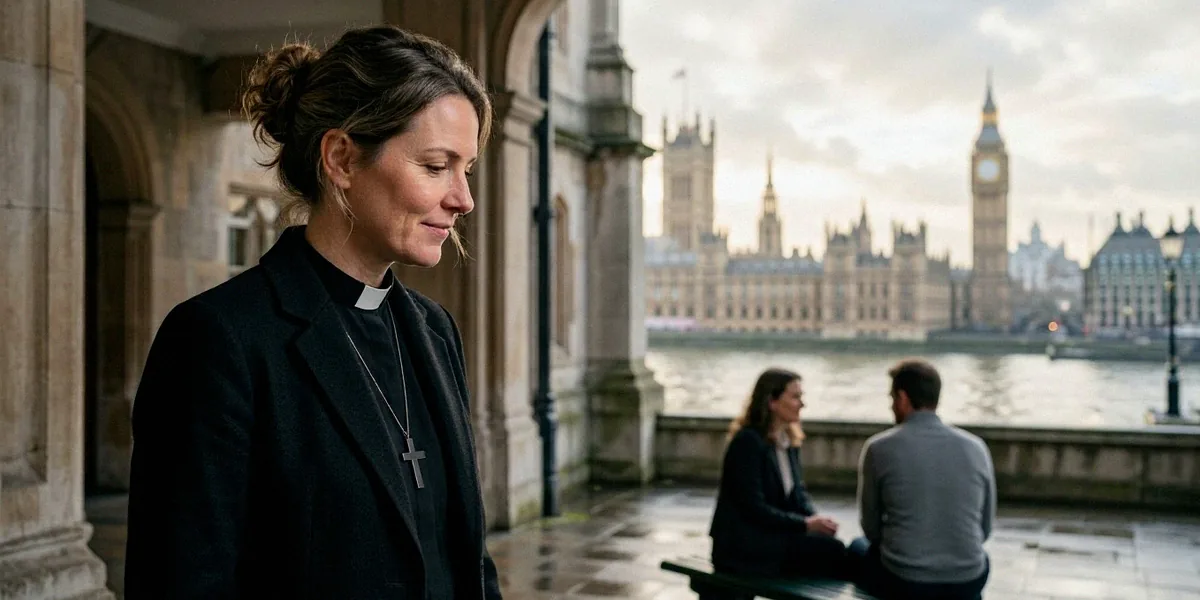
Female Chaplaincy in Britain: Breaking New Ground in Muslim Women’s Leadership
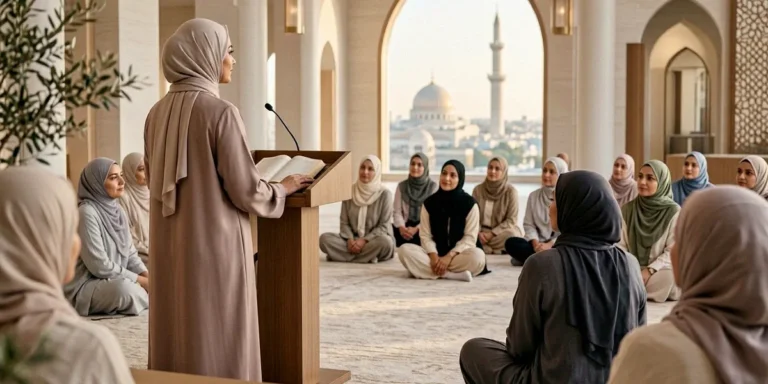
Walk into most UK mosques and you will find imams, trustees, and volunteers — but very rarely a female chaplain. For a community of roughly 4 million Muslims in Britain, that absence matters. Muslim women make up nearly half of that population, yet the pastoral care structures meant to support them in hospitals, prisons, universities, and mosques have historically been designed and delivered by men. Female chaplaincy is beginning to change that, and at womenledmosque.co.uk we believe it sits at the heart of a wider shift: Muslim women taking their rightful place in mosque governance and community leadership.
What Is Female Chaplaincy and Why Does It Matter?
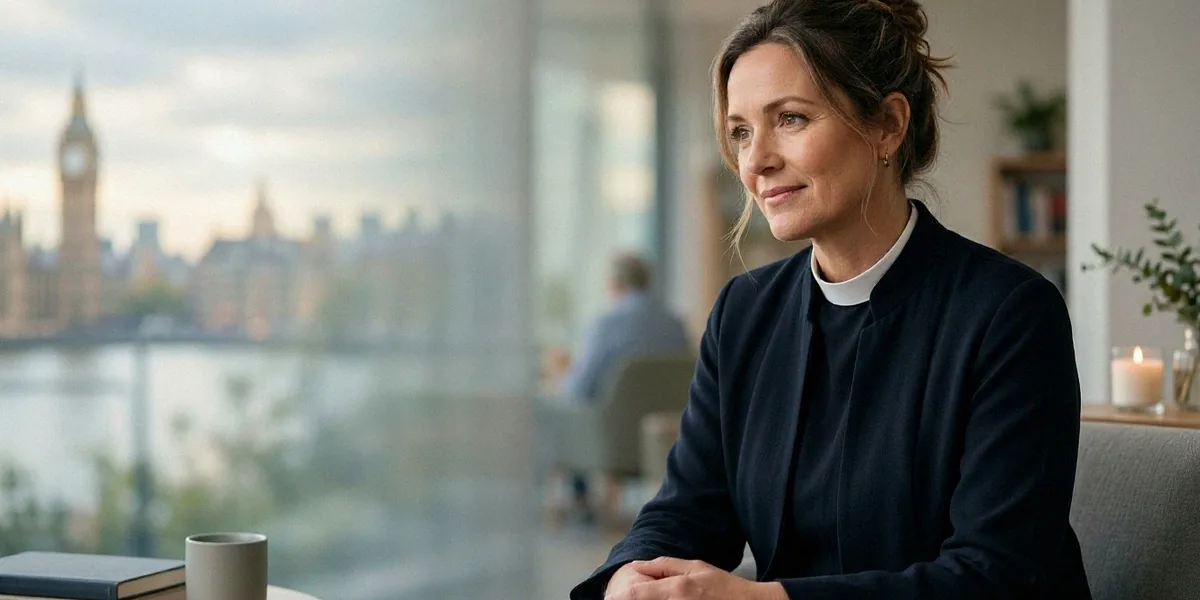
Chaplaincy is pastoral and spiritual care delivered outside — or alongside — the traditional mosque setting. A chaplain might sit with a patient before surgery, support a prisoner through a crisis of faith, or guide a university student navigating identity and belonging. Female chaplaincy simply means women doing this work, and it matters because Muslim women often need spiritual support that only another woman can provide. Someone recovering from miscarriage, experiencing domestic abuse, or questioning their place in the community may not feel able to raise those issues with a male imam. A trained female chaplain offers a trusted, religiously informed ear.
The Role of Chaplains in UK Institutions
Chaplains operate across the NHS, HM Prison Service, universities, the armed forces, and increasingly in community settings. The Muslim Chaplains Association has worked for years to professionalise this field, offering guidance, networking, and training for Muslim chaplains of all backgrounds. Yet female representation remains thin. In many hospitals, a Muslim woman requesting female spiritual care will simply not find it, because the rota has no woman on it. In prisons, the picture is similar. The result is that Muslim women’s spiritual needs are treated as optional rather than essential.
The Gap in Mosque-Based Chaplaincy for Women
Inside mosques, the gap is even wider. Most mosque governance structures in the UK remain male-dominated, and chaplaincy — where it exists at all — is usually an informal extension of the imam’s duties. The Muslim Council of Britain has repeatedly highlighted the low numbers of women on mosque committees and in decision-making roles. Without women in governance, there is little pressure to create female chaplaincy posts, and without female chaplains, women’s experiences stay invisible to the people making the decisions. Breaking that cycle is precisely what the women-led mosque movement is trying to do.
The Rise of Women-Led Mosques and Female Chaplaincy
The women-led mosque movement in Britain is small but growing, and it is directly connected to female chaplaincy. When women hold leadership roles, they create the structures that train, appoint, and support female chaplains. It is not simply about representation for its own sake — it is about building the practical infrastructure that Muslim women’s spiritual care has been missing for decades.
Bradford as a Pioneer in Women-Led Mosque Initiatives
Bradford has become a genuine pioneer in this space. The Bradford Muslim Women’s Council has spent years advocating for women’s participation in mosque life, running educational programmes, and pushing back against the assumption that religious leadership belongs exclusively to men. The city is also home to the UK’s first women-led mosque, a milestone that drew national attention and demonstrated that women-led prayer and governance are not only possible but sustainable. These spaces do not just host services — they actively identify, mentor, and appoint women into chaplaincy-style roles, from bereavement support to youth mentoring.
Training and Credentialing Female Chaplains
Training is the bridge between ambition and credibility. Female chaplains need grounding in Islamic theology, pastoral counselling, safeguarding, and the practical realities of institutional work. Several routes now exist:
- University-based chaplaincy and Islamic studies courses that include pastoral care modules
- Muslim Chaplains Association training and mentorship programmes
- Community-led schemes run by women-led mosque initiatives in Bradford and beyond
- NHS and prison service chaplaincy induction pathways for Muslim applicants
What is still missing is a single, nationally recognised standard for Muslim chaplaincy — something we will return to later.
Challenges Facing Female Chaplains in Britain
We would be doing readers a disservice if we pretended this work was easy. Female chaplains face resistance on multiple fronts, and understanding those barriers is the first step to dismantling them.
Institutional Resistance and Governance Hurdles
Many mosques are governed by trustee boards that have changed little in decades. Proposals to fund a female chaplain are sometimes met with claims that there is “no demand” — a claim that is difficult to test when women have never been asked. The Muslim Council of Britain’s reports on women’s participation have documented this pattern across the country, showing that women are frequently excluded from mosque committees, AGMs, and decision-making bodies. The Charity Commission’s governance guidance is clear that trustees must act in the best interests of their beneficiaries, and that includes Muslim women. In practice, that guidance is not always applied.
Funding and Recognition Gaps
Even where goodwill exists, money often does not. Chaplaincy posts in mosques are typically unfunded, relying on volunteers who already juggle work and family commitments. Female chaplains are less likely to be offered paid institutional roles, and their work — mental health support, domestic abuse referrals, bereavement care — is often informal and unpaid. Recognition is a related problem: a woman who has spent years supporting Muslim women through crisis may still be described as a “volunteer aunty” rather than a professional chaplain.
How Female Chaplains Are Transforming Community Leadership
Despite the obstacles, female chaplains are already reshaping community leadership across the UK. The evidence is strongest in London, Birmingham, and Bradford, where women-led initiatives have built effective pastoral care models that other institutions are beginning to notice.
Mental Health and Pastoral Care
In Glasgow, the Amina Muslim Women’s Resource Centre has become a national reference point for culturally sensitive support, including counselling, helplines, and advocacy for Muslim women facing abuse or isolation. Female chaplains working alongside such organisations bring a faith-literate dimension that secular services often lack. In Birmingham and London, women-led groups run bereavement circles, postpartum support, and mental health drop-ins — work that quietly fills gaps the NHS cannot reach.
Interfaith and Youth Engagement
The Inclusive Mosque Initiative has shown how women-led religious spaces can build bridges across faiths and within communities. Female chaplains are frequently the ones organising interfaith dialogues, school visits, and youth mentoring programmes. In Bradford, women-led mosque initiatives run homework clubs, sports sessions, and leadership workshops for teenage girls — creating a pipeline of confident young Muslim women who see religious leadership as something they can aspire to.
The Future of Female Chaplaincy in the UK
We are optimistic, but optimism needs a plan. The next decade should see female chaplaincy move from the margins to the mainstream of British Muslim life.
Policy and Governance Reforms
Several reforms would make a real difference:
- Mandatory female representation on mosque trustee boards, in line with Charity Commission expectations
- A national chaplaincy standards framework covering training, safeguarding, and accreditation
- Ring-fenced funding for female chaplaincy posts in mosques, hospitals, and prisons
- Data collection on Muslim chaplaincy provision, disaggregated by gender
The Women’s Mosque of America has demonstrated what women-led religious leadership can achieve when it is given room to grow. The UK has its own version of that story emerging in Bradford, and it deserves national recognition rather than local curiosity.
Building a National Network of Female Chaplains
Individual chaplains are powerful; a network is transformative. We would like to see a UK-wide network connecting female chaplains across cities, institutions, and traditions — sharing training resources, offering peer supervision, and advocating collectively for recognition. The Muslim Chaplains Association is a natural partner in this, and women-led mosque initiatives in Bradford can serve as regional hubs.
FAQ
What exactly does a female chaplain do?
A female chaplain provides spiritual and pastoral care to Muslim women and others in hospitals, prisons, universities, mosques, and community settings. This can include emotional support, religious guidance, bereavement care, and referrals to specialist services.
Why do Muslim women specifically need female chaplains?
Many Muslim women feel more comfortable discussing sensitive issues — such as miscarriage, domestic abuse, or mental health — with another woman who understands their faith and culture. Male imams are not always accessible or appropriate for these conversations.
Is there really a women-led mosque in Bradford?
Yes. Bradford is home to the UK’s first women-led mosque, supported by years of advocacy from the Bradford Muslim Women’s Council. It has become a model for other cities exploring women-led religious spaces.
How can mosques start supporting female chaplaincy?
Mosques can begin by inviting women onto their trustee boards, auditing the pastoral needs of their female congregation, and partnering with training providers such as the Muslim Chaplains Association to develop chaplaincy roles.
Where can I find support from a female chaplain or Muslim women’s organisation?
Organisations like the Amina Muslim Women’s Resource Centre in Glasgow and the Inclusive Mosque Initiative offer support and signposting. Local universities, hospitals, and women-led mosque initiatives can also connect you with trained female chaplains.
Female chaplaincy is not a niche concern — it is essential to inclusive mosque governance and to the spiritual wellbeing of Muslim women across Britain. The women-led mosque movement, with Bradford leading the way, has shown that when women are trusted with religious leadership, entire communities benefit. We believe the next chapter of British Muslim life will be written with female chaplains firmly at its centre, and we are proud to play our part in that work.