Muslim Women’s Councils in the UK: Shaping Women-Led Mosque Governance
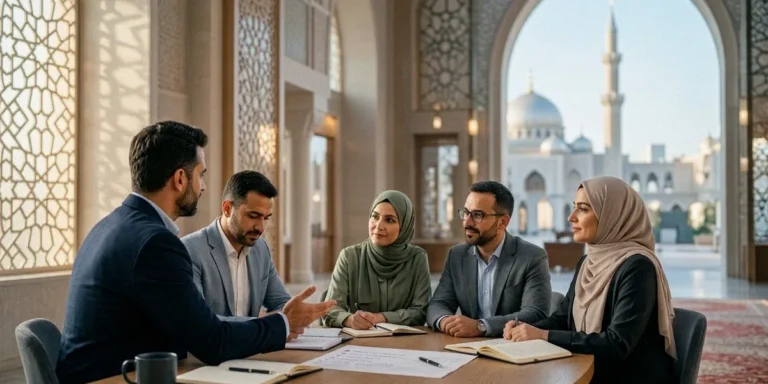
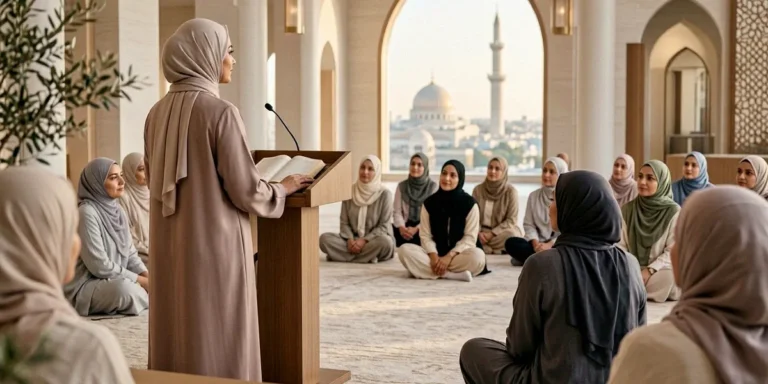
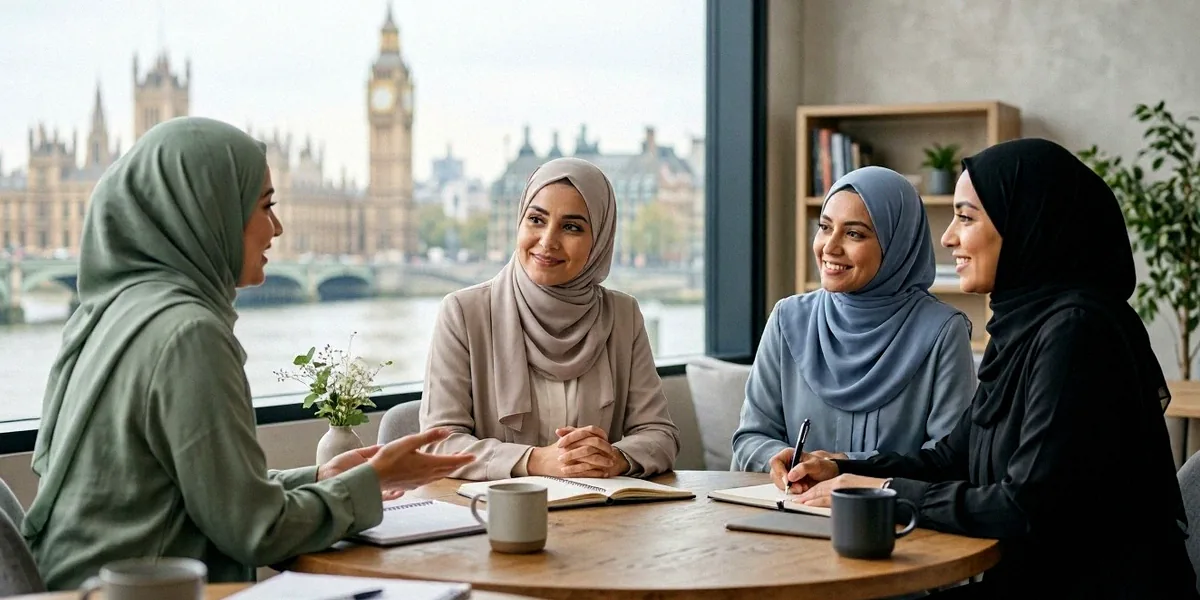
Picture a packed community hall in Bradford on a Tuesday evening. The chairs are full, the agenda is dense, and every voice in the room belongs to a Muslim woman — because the women are not just attending this meeting, they are chairing it. That scene, repeated in cities across the UK, captures a quiet but determined shift in how British mosques are run. In this guide, we look at Muslim women’s councils, the rise of the women-led mosque movement, and why mosque governance will never quite look the same again.
What Are Muslim Women’s Councils and Why Do They Matter?

Muslim women’s councils are grassroots bodies that advise mosques, run community programmes, and advocate for women’s roles in governance. They are not simply social clubs. They review policies, organise services, raise funds, and increasingly sit on the boards that make decisions about buildings, budgets, and safeguarding. In practice, they act as a bridge between women in the congregation and the mostly male committees that have historically controlled mosque affairs.
National organisations such as the Muslim Council of Britain speak for Muslim communities at a policy level, but they are not a substitute for local organising. A national body can issue a statement on women’s representation; only a local council can ensure the women’s prayer hall is accessible, the trustee board has female members, and domestic abuse support is signposted in the foyer.
The Difference Between National Bodies and Local Women’s Councils
It helps to think of the two as different layers of the same system. National bodies focus on representation, media work, and government engagement. Local women’s councils focus on the day-to-day: prayer space, youth work, funeral services, and the internal politics of a single mosque. The Muslim Council of Britain can amplify a campaign, but the Bradford Muslim Women’s Council can make sure it lands in a specific community centre on a specific street.
How Councils Fit Into Mosque Governance Structures
Most mosques in the UK are registered charities with a trustee board, a management committee, and often an imam employed separately. Women’s councils typically sit alongside these structures, sometimes formally constituted, sometimes as an advisory sub-committee. Where they have succeeded, they have moved from an informal advisory role to formal positions with voting rights. Where they have struggled, it is usually because the constitution was written decades ago and never anticipated women in leadership.
- Advisory councils: consult on programmes and women’s facilities
- Sub-committees: manage specific projects such as youth or domestic abuse support
- Trustee boards: hold legal responsibility for the charity and its finances
- Elected councils: accountable to the congregation through annual general meetings
The Rise of Women-Led Mosques and Councils in Bradford
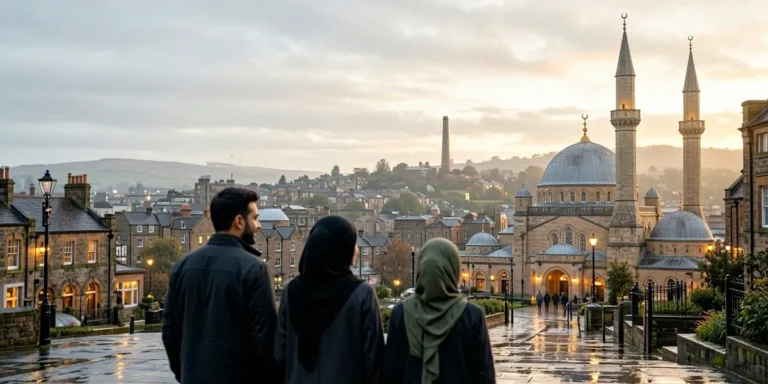
Bradford has become one of the most important hubs for women-led mosque initiatives in the UK. The city’s Muslim population is diverse — Pakistani, Bangladeshi, Kashmiri, Somali, and Arab communities, among others — and that diversity has produced a range of community centres and mosques rather than a single monolithic institution. That fragmentation, often seen as a weakness, has turned out to be an advantage: it has created space for experimentation.
Women in Bradford have used that space to build councils that operate independently of any one mosque, working across institutions and neighbourhoods. The Bradford Muslim Women’s Council is the clearest example, but it sits within a wider ecosystem of activists, community centres, and women’s groups that have been organising for years.
Bradford’s Community Leadership Model
Bradford’s model is built on relationships rather than hierarchy. Councils work with imams, mosque committees, local councillors, and charities, often without formal authority. Their influence comes from turnout, credibility, and the ability to deliver services that mosques need — from English language classes to mental health support.
Case Study: The Bradford Muslim Women’s Council
The Bradford Muslim Women’s Council has become a reference point for women-led governance in the UK. It has advised mosques on women’s facilities, run community consultations, and pushed for female representation on committees. Its work is not always welcomed, and progress has been uneven, but it has changed the terms of the conversation: mosque committees in the city now expect to be asked about women’s representation, even if they do not always like the answer.
How Women’s Councils Are Changing Mosque Governance Across the UK
The shift is not confined to Bradford. In Birmingham, Manchester, and London, women’s councils have pushed for female trustees, transparent decision-making, and published accounts. The Charity Commission, which regulates mosques registered as charities, has repeatedly emphasised that trustee boards must act in the charity’s best interests and comply with equality law. That regulatory pressure has given women’s councils a useful lever: it is harder for a committee to dismiss a request for female trustees when the regulator is asking awkward questions about governance.
From Advisory Roles to Trustee Positions
The most significant change is the move from advisory roles to trustee positions. Advisory roles are consultative; trustee positions carry legal responsibility and voting power. Several mosques in Birmingham and London have amended their constitutions to allow women trustees, often after sustained campaigning by women’s councils and younger congregants.
Challenges and Resistance Within Mosque Committees
Resistance is real and should not be glossed over. Some committees argue that women’s roles are defined by religious tradition; others worry about losing control of assets or long-standing networks. Women’s councils have learned to work around this by building alliances with sympathetic male trustees, focusing on uncontroversial service delivery first, and only then pushing for structural change.
Key Achievements and Campaigns Led by Muslim Women’s Councils
The achievements of women’s councils are practical rather than symbolic, and that is precisely why they matter. Campaigns on domestic abuse support, youth engagement, and accessible prayer spaces have changed the daily experience of thousands of Muslim women.
Domestic Abuse Awareness and Support Services
Domestic abuse remains one of the most urgent issues facing Muslim communities, and women’s councils have been at the forefront of addressing it. The Muslim Women’s Network UK has documented the barriers women face in accessing support, and local councils have responded by hosting awareness sessions, training imams, and signposting specialist services. In Leicester and Glasgow, community initiatives have built referral pathways between mosques and local authorities, ensuring women are not left to navigate the system alone.
Youth and Interfaith Engagement Programmes
Youth work is another area where women’s councils have excelled. From homework clubs to leadership programmes, these initiatives keep young Muslims connected to their mosques while giving them space to ask difficult questions. Interfaith engagement has also grown, with councils hosting open days, school visits, and dialogue events that challenge stereotypes about Muslim women’s roles.
The Future of Women-Led Mosque Leadership in the UK
Looking ahead, three forces are likely to shape the next decade of women-led mosque leadership: policy change, funding, and networking. The COVID-19 pandemic accelerated digital organising, allowing councils to coordinate across cities, share resources, and run online campaigns when physical meetings were impossible. That infrastructure is now permanent.
Policy Advocacy and Charity Law Reform
Women’s councils are increasingly engaging with charity law, arguing that governance reform is not just a matter of fairness but of legal compliance. The Charity Commission’s guidance on trustee duties provides a framework that councils can use to push for change, and there is growing appetite for clearer standards on representation across the sector.
Building a National Network of Women’s Councils
The next step is a national network that connects councils in Bradford, Birmingham, Manchester, London, Leicester, and Glasgow. Such a network would share best practice, coordinate campaigns, and give women’s councils a collective voice in national conversations about mosque governance. The foundations are already in place.
Frequently Asked Questions
What exactly is a women-led mosque?
A women-led mosque is a mosque where women hold leadership positions — trustees, committee members, or imams — and where women’s participation in governance is treated as normal rather than exceptional. In the UK, this often means a mosque with female trustees and a women’s council with real influence.
Are women’s councils recognised by mosque committees?
Recognition varies. Some councils are formally constituted with written agreements; others operate informally and rely on relationships. The trend is toward formal recognition, partly because the Charity Commission expects charities to demonstrate good governance.
How can I support a women’s council in my city?
Start by attending meetings and asking your mosque committee about women’s representation. You can also volunteer with local initiatives, donate to domestic abuse services, and amplify campaigns run by organisations such as the Muslim Women’s Network UK.
Do women’s councils only focus on women’s issues?
No. While they prioritise women’s access and representation, their work covers youth services, interfaith engagement, fundraising, and governance reform — all of which benefit the whole congregation.
Muslim women’s councils are not a temporary trend. They are a permanent shift toward inclusive mosque governance, built on years of patient organising in Bradford, Birmingham, Leicester, Glasgow, and beyond. If you want to see this change in your own community, support the women already doing the work — attend their meetings, back their campaigns, and ask your mosque committee the questions that need answering.